

See Clearly Without Wearing Glasses Every Day
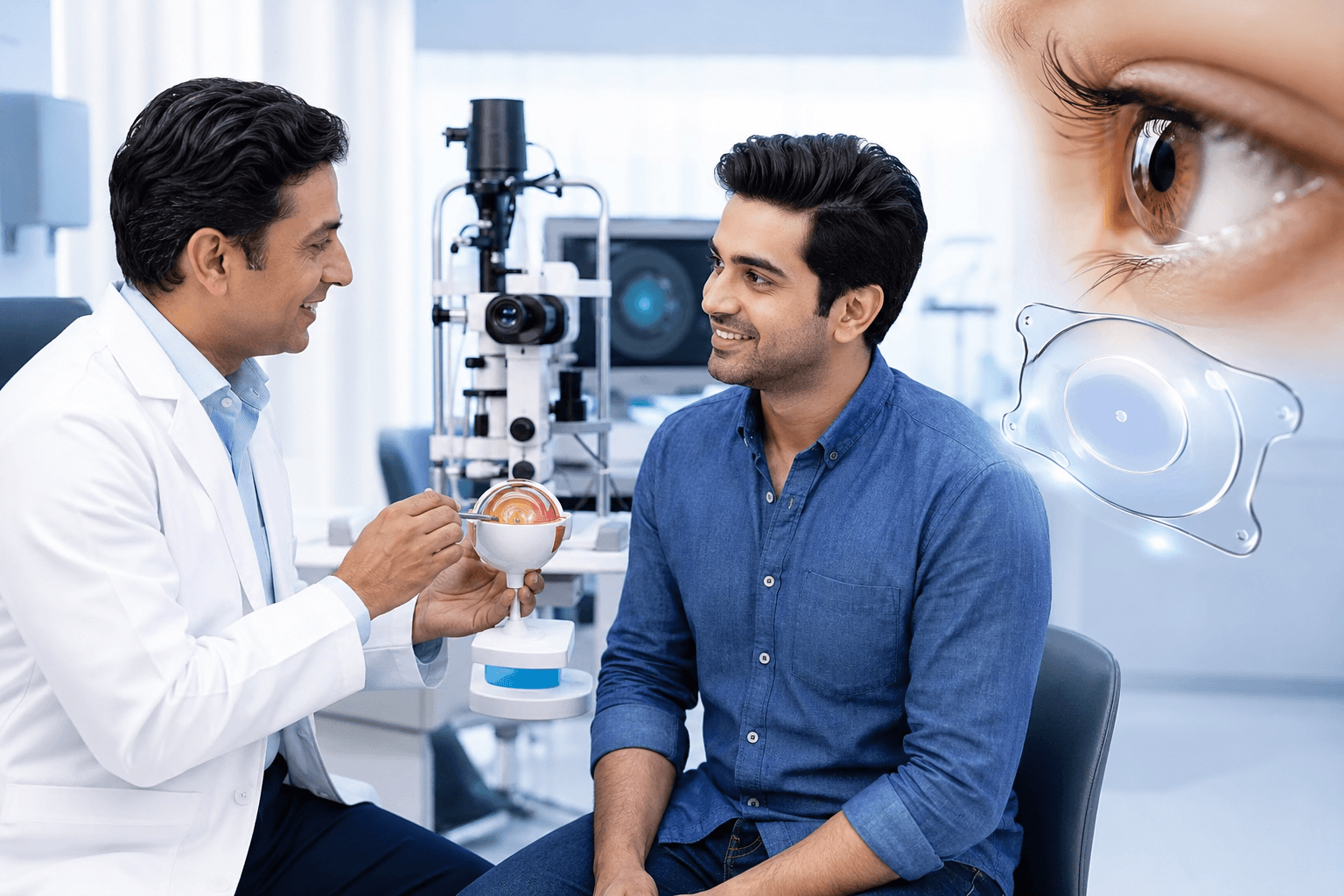
If you suffer from a high spectacle number, thin corneas, or you have been advised that you are not a good candidate for LASIK surgery, Phakic Lens may be the perfect solution for you. Also called ICL surgery or IPCL surgery, this refractive surgery restores your vision by adding a lens to your eye without cutting out the natural lens or shaping the cornea.
Every patient visiting Akashdeep Netralay gets a comprehensive eye examination to help find out the best solution. If a Phakic Lens surgery is recommended, it is only because it suits your eyes best.
Advantages of Phakic Lens Surgery
- Fixes high spectacle numbers
- Great alternative for patients unsuitable for LASIK
- Keeps the natural shape of the cornea intact
- Lower chances of having dry eye syndrome than laser surgeries
- Excellent visual quality, including night vision for many patients
- Invisible
- Removable surgically when necessary
- Quick recovery in most cases
Get a Comprehensive Eye Examination Appointment
Vision Correction Method Besides LASIK
Many individuals benefit from laser vision correction surgeries like LASIK and SMILE in reducing their dependence on glasses. But they may not be suitable for everyone.
There are some patients with high spectacle number, thin corneas, dry eye, and other eye disorders for whom laser vision correction may not be the best method. For such patients, an Implantable Phakic Lens surgery may be an alternative.
This type of surgery implants a specially designed lens into the eye without using a laser to change the shape of the cornea. Thus, the light focuses on the retina properly to restore vision.
What Is a Phakic Lens?
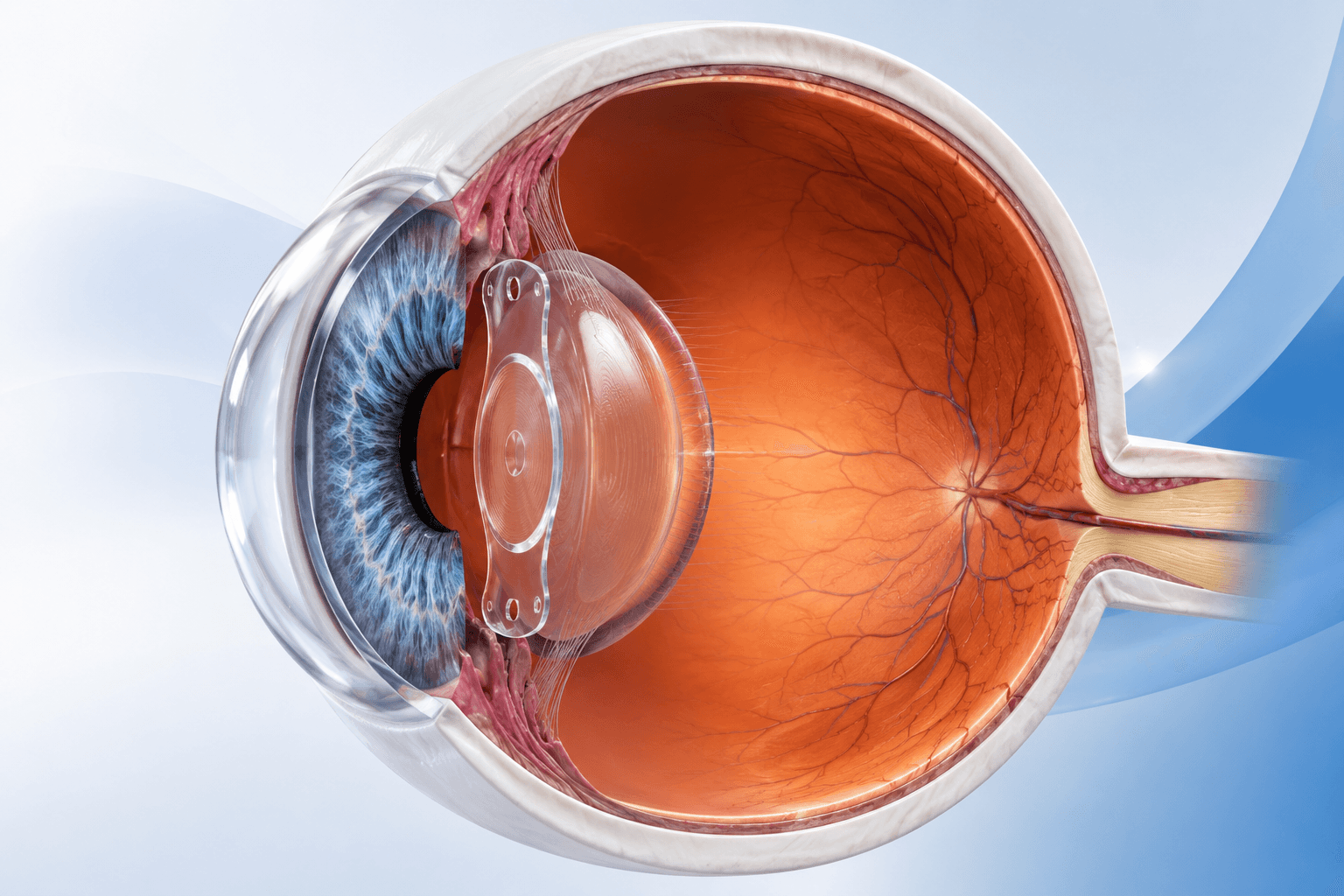
Phakic lens is a soft and foldable artificial lens implanted inside the eye to correct refractive errors such as:
- High myopia
- Hyperopia
- Astigmatism in some cases
The term phakic indicates that the natural eye lens stays inside.
It is not like cataract surgery where the natural lens gets removed from the eye.
Depending on the design, the implanted lens is located either behind the iris or in front of the natural lens.
One can simply think of it as a perfectly fitted prescription contact lens being placed inside the eye.
What Is an Implantable Collamer Lens (ICL)?
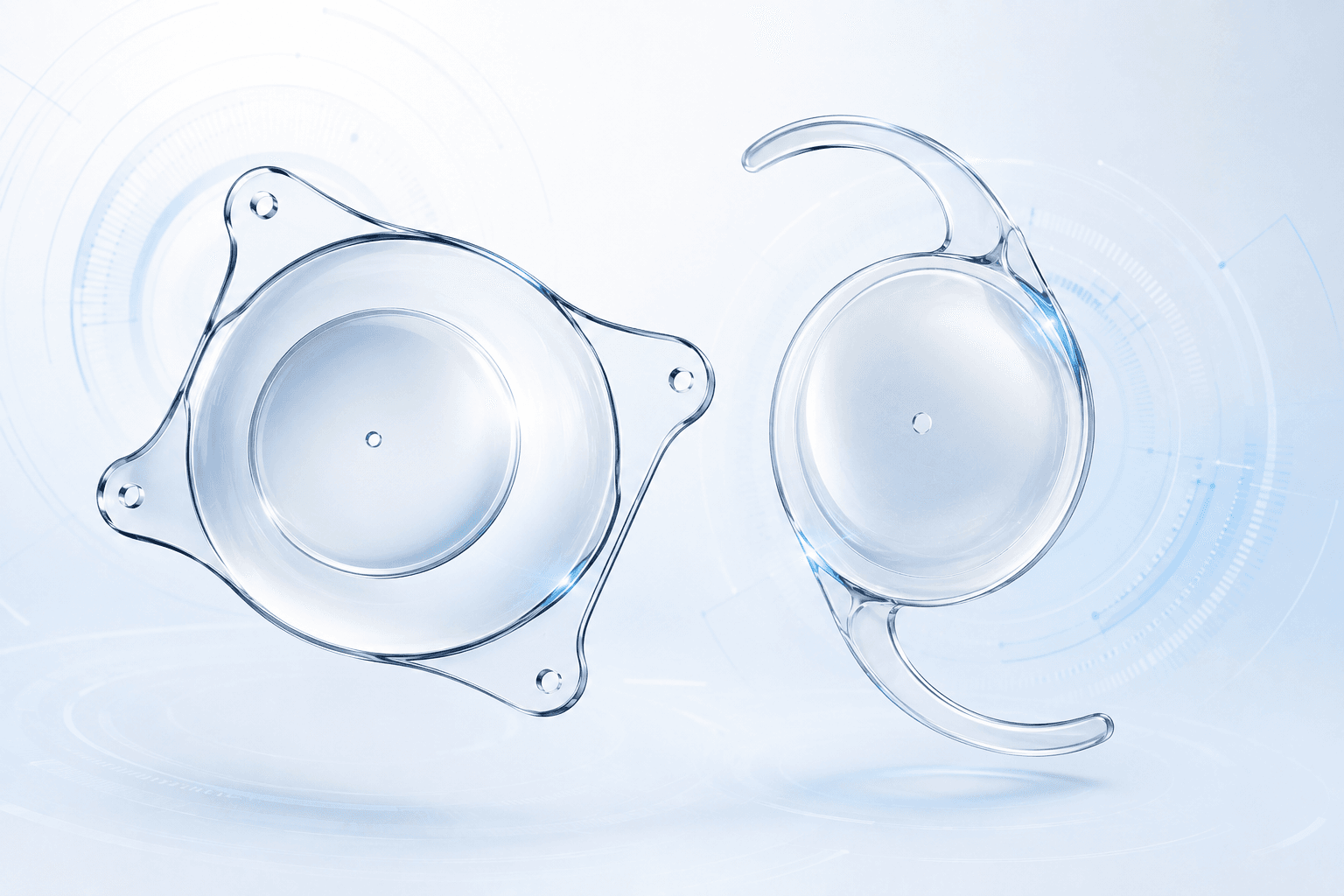
ICL is the name of the phakic lens manufactured from biocompatible Collamer.
What Is an Implantable Phakic Contact Lens (IPCL)?
IPCL is also a type of phakic lens but made of biocompatible polymer.
Depending on the measurements and clinical findings, a doctor may recommend IPCL instead of ICL.
Both ICL and IPCL are used for vision correction while preserving the natural eye lens.
Similarities of IPCL and ICL
- They are both implantable lenses.
- They both retain the natural lens.
- They both are alternatives to LASIK in suitable patients.
- They both require detailed preoperative measurements.
- They can both be inserted only after a thorough eye examination.
The final decision about the use of IPCL or ICL can be made only after a thorough examination of the patient’s eye measurements, prescription, and eye anatomy.
ICL vs IPCL
Feature | ICL | IPCL |
Material | Collamer | Biocompatible polymer |
Customisation | Standard sizing based on measurements | Available in multiple power options, including wider prescription ranges |
Vision Correction Range | High myopia, hyperopia and selected astigmatism | High myopia, hyperopia and selected astigmatism |
Availability | Brand-specific | Manufacturer-specific |
Suitability | Determined after detailed evaluation | Determined after detailed evaluation |
Reasons for Phakic Lens Eye Surgery
One of the most popular reasons why people prefer ICL Eye Surgery or IPCL Eye Surgery is its perfect vision correction without any cornea changes.
Sharp Vision
Sharp and clear vision is usually noticed after recovery by many suitable patients.
No Corneal Change
Since there is no need to change the shape of the cornea, it is recommended for people with thin corneas.
Suitable for People with Very High Spectacle Numbers
High myopia means having a very high spectacle number and thus being unsuitable for LASIK.
Best Alternative for Thin Corneas
For any type of laser procedure, there should be enough corneal tissue. In the case of phakic lenses, there is no need to remove anything from the cornea.
Less Dry Eyes
The fact that corneal nerves are not changed in the same way as in laser surgeries helps many patients avoid dry eye problems.
Good Night Vision
Many patients have good night vision quality, although results depend on the patient individually.
Reversibility
The fact that it is possible to remove the implanted phakic lens allows using it instead of permanent changes in the cornea.
Invisibility
This kind of surgery uses the implantation of a special lens that is placed inside the eye and thus cannot be seen by others.
Quick Vision Improvement
Usually, it takes only a short period before noticing the improvement in vision, although complete healing takes several weeks.
Permanent Vision Correction
An implanted phakic lens is made in such a way that it will remain there for a long time.
Ideal Candidate
Are you an ideal candidate if you are:
- Between 18 and 45 years of age
- Have a stable spectacle prescription
- Have high myopia or hyperopia
- Have thin corneas
- Have dry eyes and thus it makes laser surgery less suitable for you
- Have a healthy retina
- Have normal eye pressure
- Need long-term glasses reduction
- Your doctor recommended that you are not suitable for LASIK surgery
You need a detailed examination in order to make sure that this surgery is suitable for you.
Not Suitable for Everyone
Phakic Lens surgery is not suitable for everyone.
It is not recommended for people who have:
- Pregnancy or breastfeeding
- Cataract
- Uncontrolled glaucoma
- Uncontrolled diabetes affecting the eyes
- Active eye infection
- Certain corneal diseases
- Serious retinal disorders
- Any other eye disease discovered during the evaluation process
Your ophthalmologist will offer you all the options based on the results of your eye examination.
Diseases That Can Be Corrected
Using phakic lenses, it is possible to treat the following conditions:
- High myopia
- Hyperopia
- Certain cases of astigmatism
- Thin corneas making laser surgery impossible
- People who are not suitable for LASIK surgery due to corneal thickness and spectacle numbers
Procedure Involved
Comprehensive Eye Examination
Your eyes are thoroughly examined. Various measurements are done in order to check your cornea, retina, eye pressure, and natural lens health.
Lens Measurements
Various scans are done in order to ascertain the right size and power of your lens.
Lens Selection
Based on your findings, your ophthalmologist recommends the most suitable implant lens.
Preparation
Before surgery, your eye is cleaned and prepared. Eye drops are applied in case your pupil needs dilation.
Anaesthesia
Usually, eye-numbing drops are enough. You will be awake throughout the procedure.
Lens Implantation
A small incision is made in your eye, and the folded lens is inserted into the eye. It unfurls itself and is placed correctly into position.
Going Home
You go home with prescribed eye drops and post-operative instructions.
Recovery After ICL/IPCL Surgery

First Day
Your vision will be somewhat clear, though you may experience some blurring or sensitivity to light.
First Week
As per the recommendation of your ophthalmologist, you can begin to carry out your routine activities again.
First Month
Vision improvement continues. Visits to your doctor help you achieve proper healing.
Eye Drops
Use all prescribed eye drops as indicated.
Precautions
- Do not rub your eyes
- Avoid swimming until your doctor permits
- Avoid exposure of your eyes to dust and injury
- Go for all scheduled follow-up visits
Risk and Safety
There is not much risk in Phakic Lens surgery.
Some possible complications may be:
- Infection
- Increased eye pressure
- Rotation of lens in some instances
- Inflammation
- Glare or haloes
- Cataracts
- Need for further treatment
Though rare, these complications must be talked about before any surgery. Choosing an experienced ophthalmologist, taking medications as prescribed, and going for all scheduled follow-ups will facilitate proper recovery.
Why Choose Akashdeep Netralay?
For patients who are seeking to correct their vision, thorough evaluation and personal advice are essential.
At Akashdeep Netralay, the emphasis is on helping patients make the right treatment decision through proper eye evaluations and personalized treatment.
We provide the following:
- Comprehensive pre-operative eye evaluation
- Personalized treatment plan
- Advanced diagnostic evaluation
- Surgical techniques
- Patients are well-informed before treatment
- Follow-ups and guidance
- Ethical advice based on clinical findings
Only the best-suited procedure for your vision correction is recommended after the evaluation of your eyes.