

Glaucoma Treatment and Management at Akashdeep Netralay
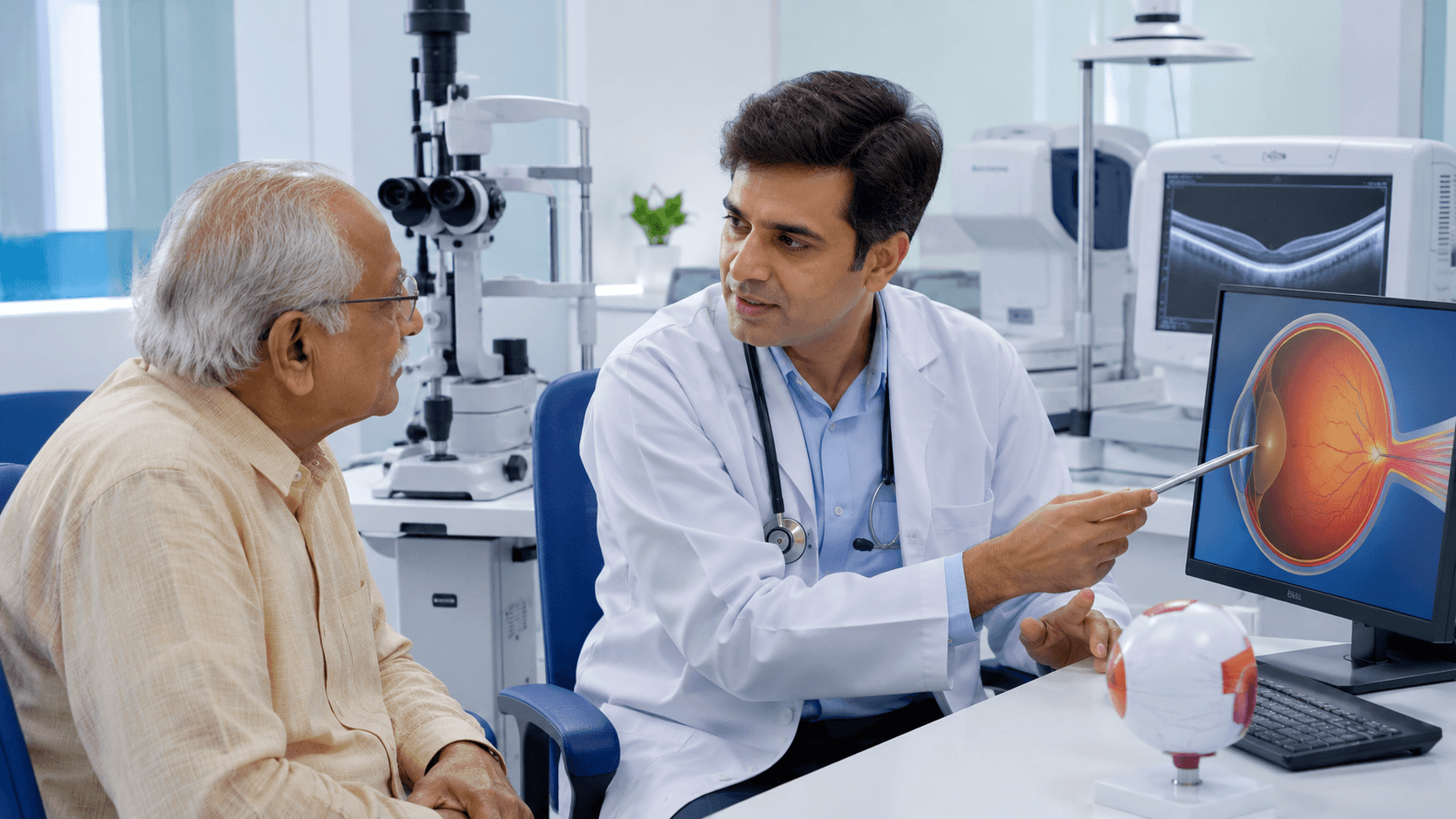
Glaucoma Treatment is among the commonest causes of irreversible blindness. Also referred to as the “silent thief of sight,” glaucoma is a condition where damage to the optic nerve occurs unnoticed due to increased pressure within the eye. Many people only realize that they have glaucoma after noticing loss of eyesight.
However, the great thing about glaucoma is that its progression can be managed through glaucoma treatment, especially when detected at an early stage. Eye checks are vital in identifying glaucoma before any damage takes place.
Here at Akashdeep Netralay, we have a highly qualified team of eye doctors that provides expert glaucoma screening, tests, and treatment. No matter whether you require constant checks, medications, laser therapy, or glaucoma surgery, our team is committed to ensuring you maintain healthy eyesight.
Save Your Eyesight from the Silent Thief of Sight
Glaucoma is among the commonest causes of irreversible blindness. Also referred to as the “silent thief of sight,” glaucoma is a condition where damage to the optic nerve occurs unnoticed due to increased pressure within the eye. Many people only realize that they have glaucoma after noticing loss of eyesight.
However, the great thing about glaucoma is that its progression can be managed through glaucoma treatment, especially when detected at an early stage. Eye checks are vital in identifying glaucoma before any damage takes place.
Here at Akashdeep Netralay, we have a highly qualified team of eye doctors that provides expert glaucoma screening, tests, and treatment. No matter whether you require constant checks, medications, laser therapy or glaucoma surgery, our team is committed to ensuring you maintain healthy eyesight.
What is Glaucoma?
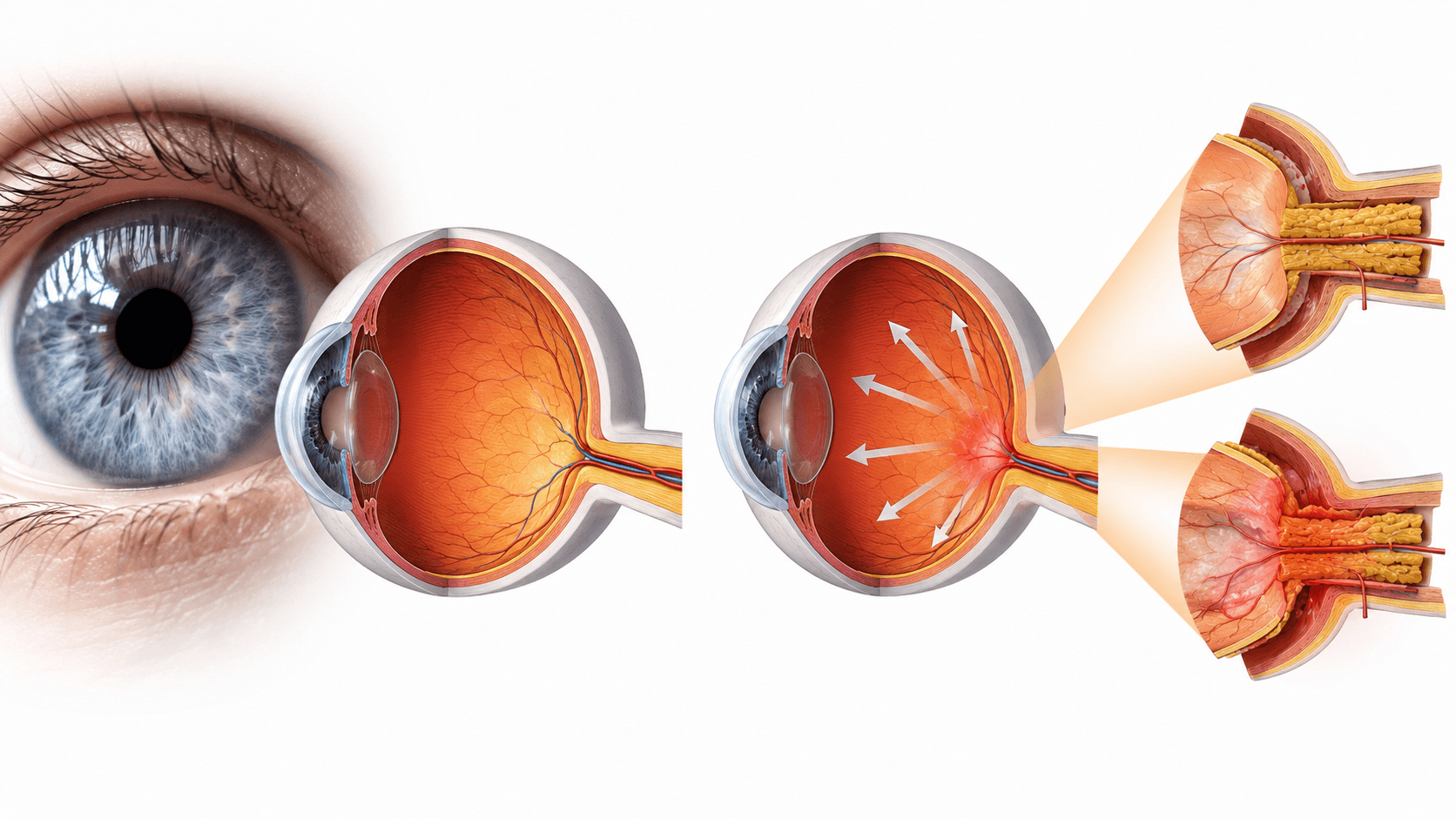
Glaucoma refers to the different kinds of eye diseases that damage the optic nerve. The optic nerve acts as the pathway for visual information into the brain. In most cases, glaucoma leads to an increase in pressure inside the eye; however, glaucoma can occur even in the presence of normal pressure.
Without adequate treatment, glaucoma could cause vision loss and, in extreme cases, blindness. It is important to note that once vision is lost due to glaucoma, it is irreversible.
There are many types of glaucoma, but most of them progress very slowly and without pain, meaning that regular eye exams are the best way of detecting the condition.
Why Does Glaucoma Occur?
There is a constant production of a clear fluid called aqueous humor in your eye, which keeps your eye structures alive and working properly. In normal situations, the aqueous humor goes out through a system that is responsible for draining the eye and ensuring normal eye pressure.
Sometimes, glaucoma happens due to a malfunction of the draining system. It can be caused by such factors as:
- Extra production of the fluid
- Blocked drainage channels
- Failure of the draining process
- Increased eye pressure
- Damaged optic nerve
Sometimes optic nerve damage takes place in a situation when your eye pressure stays normal. It is called normal-tension glaucoma.
Glaucoma is a disease that usually does not give any symptoms; therefore, it is better to have regular eye check-ups.
Types of Glaucoma
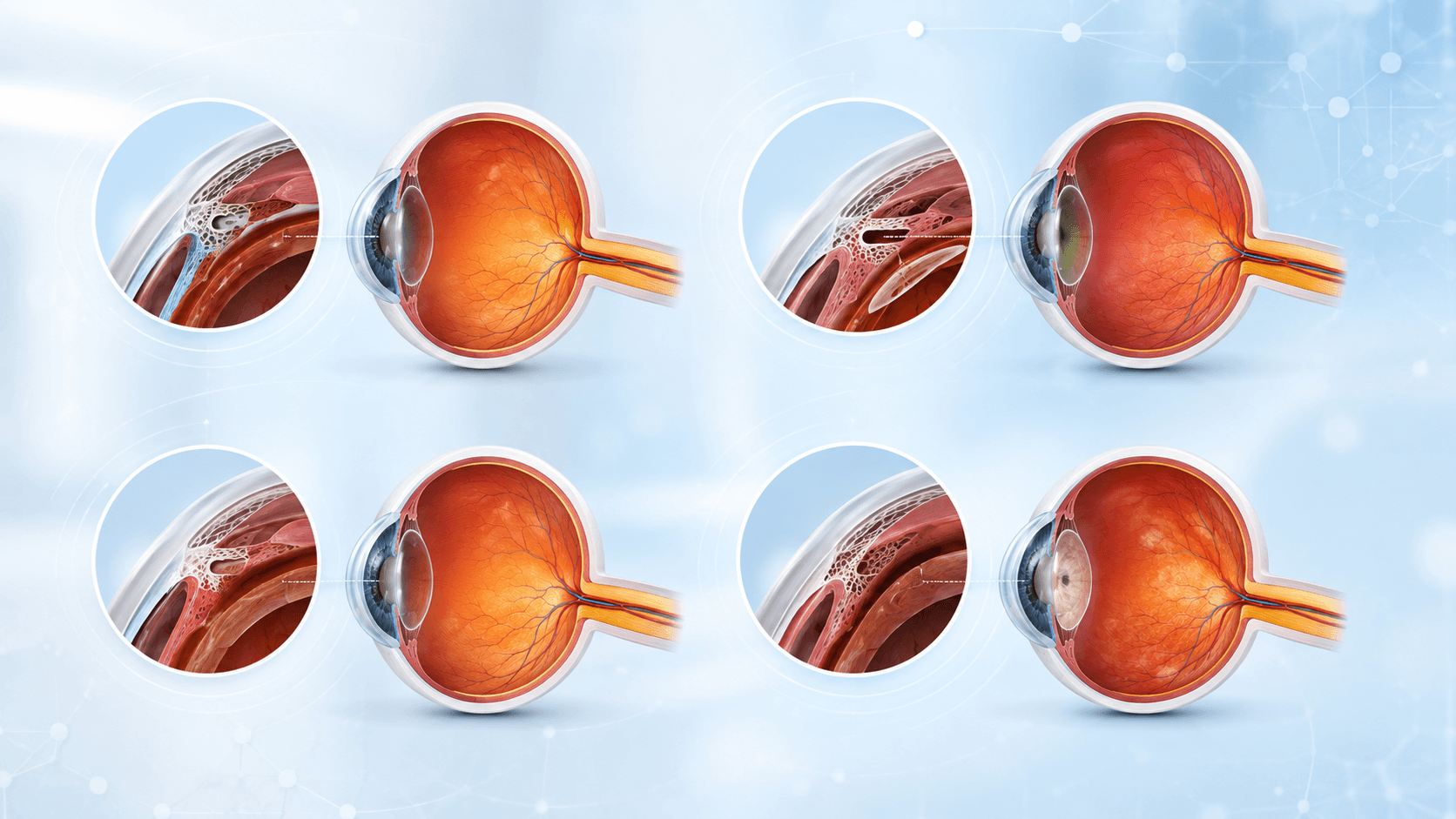
Notably, glaucoma is one of the most common diseases that may cause vision problems among individuals. In order to diagnose and treat the disease, it is critical to identify the type of glaucoma first.
Primary Open-Angle Glaucoma
Primary open-angle glaucoma is one of the most widespread forms of glaucoma that develops because of a malfunction of the drainage mechanism of the eye, thus causing gradual pressure increase.
Typical features of this type of glaucoma include:
- Slow development process
- No pain
- Lack of early symptoms
- Peripheral vision loss
As the disease often goes undetected at its early stage, frequent eye checks are important for early diagnosis and proper treatment.
Angle-Closure Glaucoma
Angle-closure glaucoma develops due to blockage of the drainage angle of the eye, causing an acute pressure increase.
Typical symptoms include:
- Intense pain
- Redness of the eye
- Blurred vision
- Headache
- Nausea and vomiting
- Halos around lights
Quick medical assistance prevents vision loss.
Normal-Tension Glaucoma
In case of normal-tension glaucoma, optic nerve damage takes place despite of normal pressure.
Causes may include:
- Decreased flow of blood to optic nerve
- Increased sensitivity of the optic nerve tissues
Congenital Glaucoma
Congenital glaucoma is a rare disease that exists from birth. It occurs as a result of the incorrect formation of the drainage system in the eyes during pregnancy.
The symptoms in children include:
- Increased tear production
- Light sensitivity
- Abnormally large eyes
- Corneal haze
It is necessary to diagnose and treat the disease as soon as possible in order to preserve the child’s sight.
Secondary Glaucoma
Secondary glaucoma occurs as a result of any other eye problems, injury, or some diseases.
Possible reasons are:
- Injuries of the eye
- Eye inflammation
- Diabetes
- Steroids abuse
- Eye tumors
- Eye operations before
Treatment of secondary glaucoma starts with curing the disease that caused the problem.
Glaucoma Risk Factors
Despite the fact that glaucoma affects people of all ages and genders equally, there are certain things that can increase the possibility of having the disease.
Some of the glaucoma risk factors are:
- Age older than 40 years
- History of glaucoma in your family
- High eye pressure
- Diabetes
- High blood pressure
- Strong myopia or hyperopia
- Previously had eye injury
- Long-term steroids use
- Thin cornea
- Certain races
If you have at least one of these factors, glaucoma tests are highly recommended.
Symptoms of Glaucoma
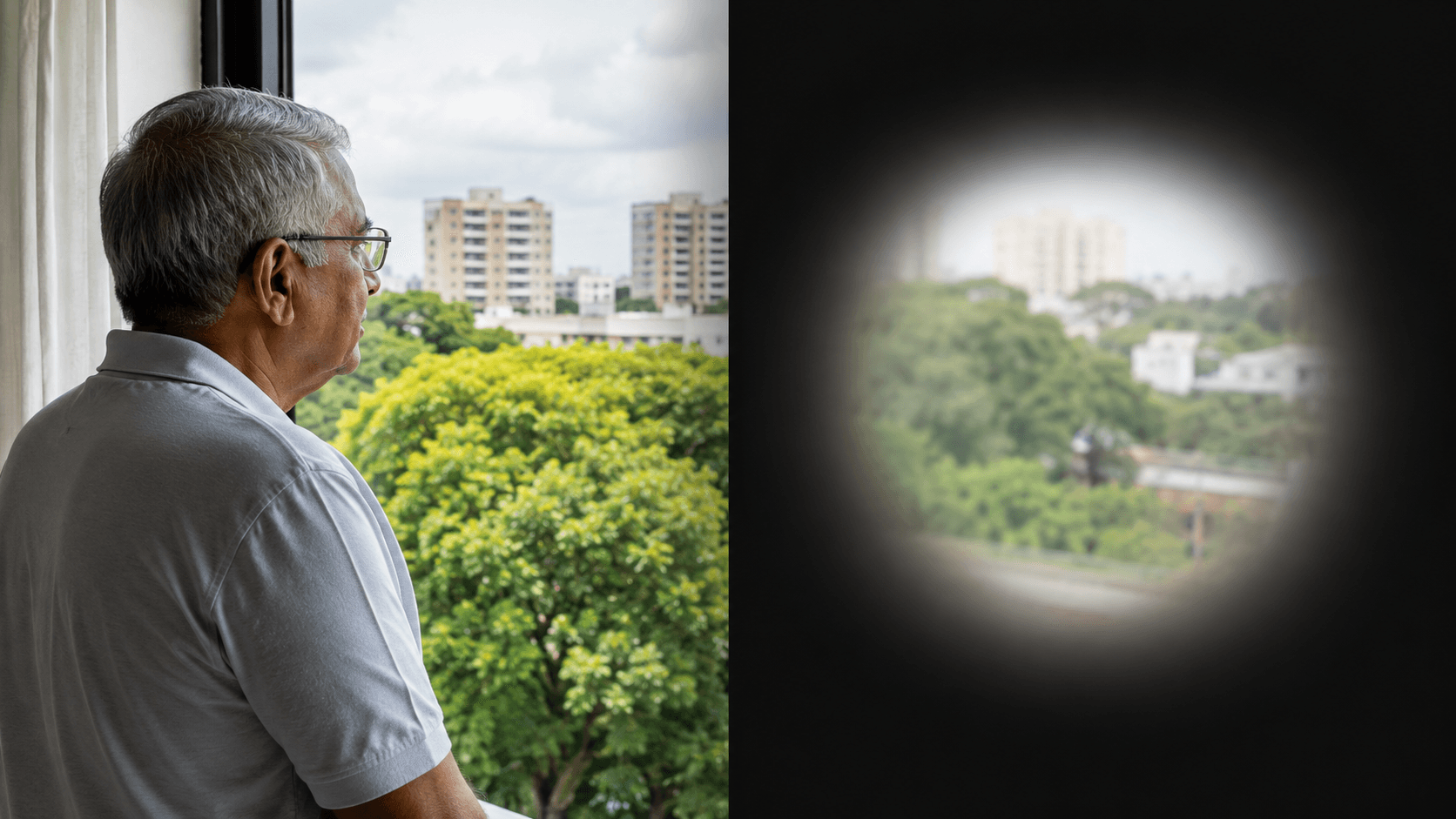
One of the greatest problems with glaucoma is that it usually does not have any symptoms at the initial stages of the disease. People do not know about their disease until it leads to their vision loss.
Glaucoma symptoms can be the following:
- Gradual peripheral vision loss
- Tunnel vision in case of severe form of glaucoma
- Blurry vision
- Pain in eyes
- Red eyes
- Halos in the vision
- Headaches
- Trouble seeing at low light
Depending on the form of glaucoma people can suffer from different symptoms and some forms are progressing rapidly while other forms are progressing slowly.
Since there is no possibility to recover the vision loss which was caused by glaucoma, regular eye examinations are the only way to detect glaucoma.
Why Early Detection Matters
Glaucoma is called the “silent thief of sight” as it leads to gradual vision loss without causing any visible warning signs. Usually, people are unaware of having glaucoma until irreversible vision loss happens.
Key Facts About Glaucoma
- The loss of vision in case of glaucoma is irreversible.
- Early diagnosis can help to stop the progression of the disease.
- Regular eye examinations help to diagnose glaucoma at the earliest stage possible.
- Timely treatment of glaucoma prevents severe vision loss and even blindness.
Since the process of glaucoma is gradual, regular eye checkups are one of the best ways to preserve eyesight. Early diagnosis gives an opportunity to choose the best treatment for patients.
Akashdeep Netralay focuses on preventive eye care, early diagnosis of glaucoma, and glaucoma screening.
How Is Glaucoma Diagnosed?
Glaucoma diagnosis includes a thorough eye examination and special tests.
Diagnostic Tests for Glaucoma
Tonometry (Eye Pressure Test)
The procedure of measuring the pressure in the eye.
Optic Nerve Evaluation
Evaluation of the optic nerve by an eye specialist.
Visual Field Test
Checks for blind spots.
Pachymetry (Corneal Thickness Test)
Measurement of the thickness of the cornea.
Gonioscopy
The test that evaluates the eye drainage angle.
Optical Coherence Tomography (OCT)
Testing that is based on imaging technologies.
Glaucoma Treatment Options
Even though glaucoma is incurable, early diagnosis and treatment will ensure you manage it properly and preserve your sight. The main focus of glaucoma treatment is reducing pressure in your eyes and preventing further harm to the optic nerve.
Glaucoma Eye Drops
Prescribed eye drops are one of the most common forms of treatment.
Advantages are:
- Lowering of eye pressure
- Improving the outflow of fluid from the eye
- Lowering the production of fluid in the eye
To get the best possible effects, follow the dosage instructions provided by your eye care specialist accurately.
Oral Medications
In case eye drops don’t provide adequate reduction of eye pressure, oral drugs will be prescribed to reduce it further and protect your optic nerve.
Laser Treatment for Glaucoma
These treatments improve the drainage of fluid and provide effective management of eye pressure.
Common Laser Procedures
Laser Trabeculoplasty
It improves fluid drainage in patients suffering from primary open-angle glaucoma.
Laser Peripheral Iridotomy
This procedure treats and prevents angle-closure glaucoma.
Benefits of Laser Treatment
- Minimal invasiveness
- Fast recovery period
- Efficient pressure control
- Reduction of medication dependency in some cases
Glaucoma Surgery
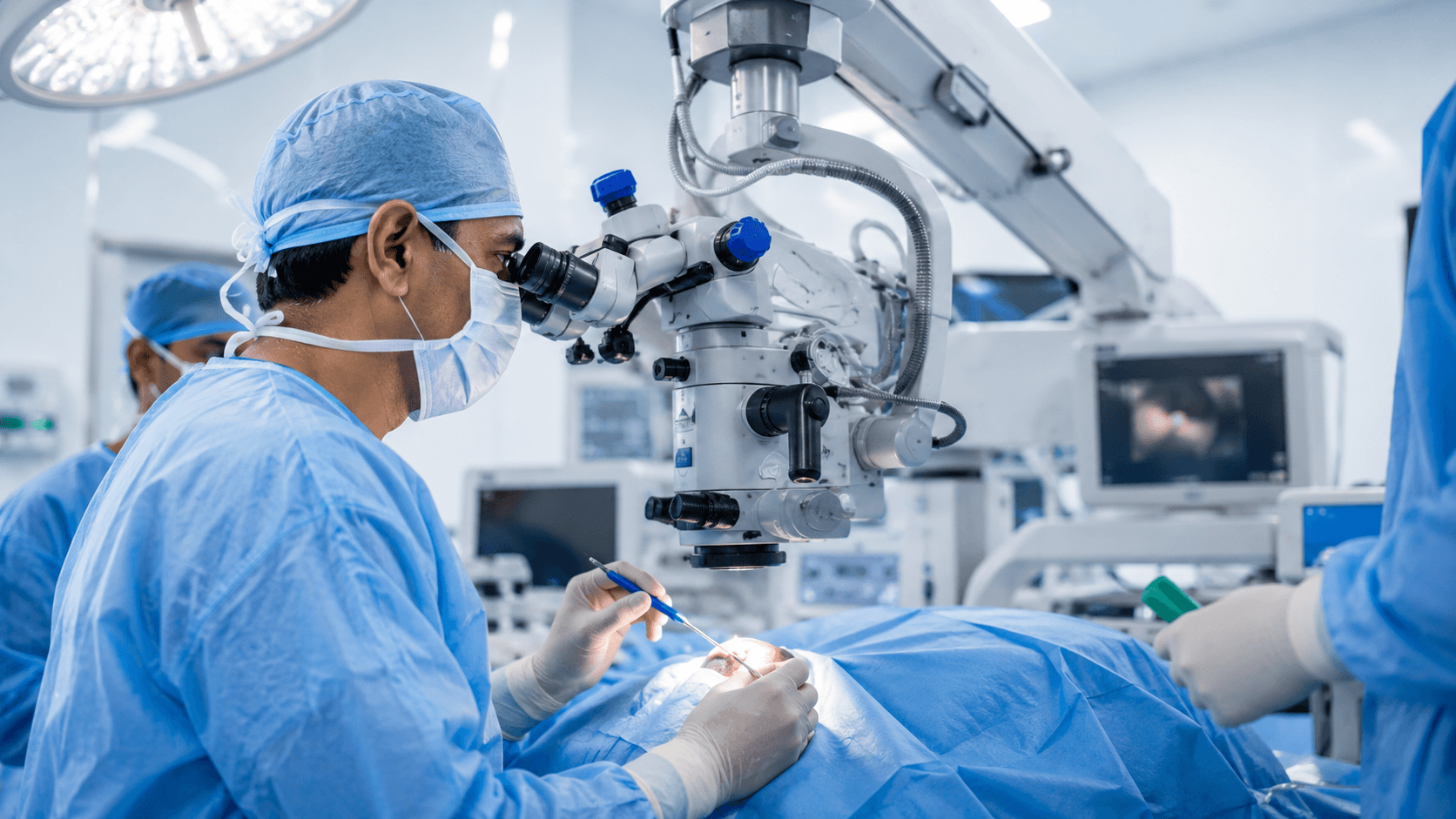
Surgery is recommended when medications and laser treatment are unable to adequately lower intraocular pressure. The primary goal of glaucoma surgery is to reduce eye pressure, protect the optic nerve, and prevent further vision loss. Depending on the type and severity of glaucoma, our specialists recommend the most appropriate surgical approach to achieve long-term pressure control while preserving vision.
Surgical Treatment Options
Trabeculectomy
Trabeculectomy is one of the most commonly performed glaucoma surgeries. During the procedure, a new drainage pathway is created to allow excess aqueous humor to leave the eye, helping reduce intraocular pressure. It is often recommended for patients with moderate to advanced glaucoma when medications or laser treatment are no longer sufficient.
Minimally Invasive Glaucoma Surgery (MIGS)
Minimally Invasive Glaucoma Surgery (MIGS) refers to a group of advanced procedures that lower intraocular pressure through tiny incisions with minimal disruption to the eye’s natural tissues. MIGS is generally recommended for patients with mild to moderate glaucoma and can often be performed in combination with cataract surgery.
The advantages of MIGS are:
- Minimal incisions
- Faster recovery
- Reduced risk of complications
- Less discomfort after surgery
- Reduced dependence on glaucoma medications in suitable patients
- Effective control of eye pressure while preserving healthy tissue
Gonioscopy-Assisted Transluminal Trabeculotomy (GATT)
Gonioscopy-Assisted Transluminal Trabeculotomy (GATT) is a minimally invasive, conjunctiva-sparing glaucoma procedure that improves the eye’s natural drainage by opening the trabecular meshwork from within the eye using a microcatheter or suture. This technique helps lower intraocular pressure while preserving the conjunctiva for any future glaucoma procedures, if required. GATT is commonly performed for selected patients with primary open-angle glaucoma and certain secondary glaucomas.
Benefits of GATT include:
- Minimally invasive internal approach
- No external drainage bleb required
- Effective reduction of intraocular pressure
- Faster healing and recovery
- Preservation of future surgical options
- Reduced need for glaucoma medications in appropriate patients
Glaucoma Valve Surgery (Glaucoma Drainage Devices)
Glaucoma Valve Surgery involves implanting a glaucoma drainage device, such as an Ahmed Glaucoma Valve or Baerveldt Glaucoma Implant, to redirect aqueous humor from inside the eye to a small reservoir where it can be safely absorbed. This procedure helps maintain healthy intraocular pressure in patients with advanced or difficult-to-manage glaucoma. It is commonly recommended for refractory glaucoma, neovascular glaucoma, uveitic glaucoma, congenital glaucoma, or cases where previous glaucoma surgery has not been successful.
Benefits of Glaucoma Valve Surgery include:
- Effective long-term reduction of intraocular pressure
- Suitable for complex and advanced glaucoma cases
- Can be performed after failed glaucoma surgeries
- Helps preserve remaining vision by slowing disease progression
- Proven and reliable option for glaucoma management
At Akashdeep Netralay, our glaucoma specialists create customized treatment plans based on each patient’s specific condition, the type and severity of glaucoma, lifestyle, and vision goals. Whether the most appropriate treatment is conventional glaucoma surgery, Minimally Invasive Glaucoma Surgery (MIGS), Gonioscopy-Assisted Transluminal Trabeculotomy (GATT), or Glaucoma Valve Surgery, our team is committed to delivering safe, effective, and personalized glaucoma care using advanced surgical techniques.
Advanced Diagnostic Technology
Prompt and precise identification of glaucoma is an important part of treating this condition successfully. Our clinic uses the latest diagnostic tools such as OCT, visual field tests, and eye examinations.
Personalized Treatment Plans
Each patient experiences glaucoma differently. Therefore, our specialists will develop a unique strategy for you, taking into account the type of glaucoma, eye pressure level, and personal vision goals.
Complete Glaucoma Care Under One Roof
Our clinic offers a wide range of treatments for glaucoma, starting from screening and diagnosis and ending with surgical procedures. You do not need to visit different clinics; you can get all services at once.
Patient-Centered Approach
Informed patients can make decisions more effectively than uninformed ones. Therefore, our experts will inform you about your condition, possible treatment strategies, and answer all of your questions.
Get a Comprehensive Eye Examination Appointment