

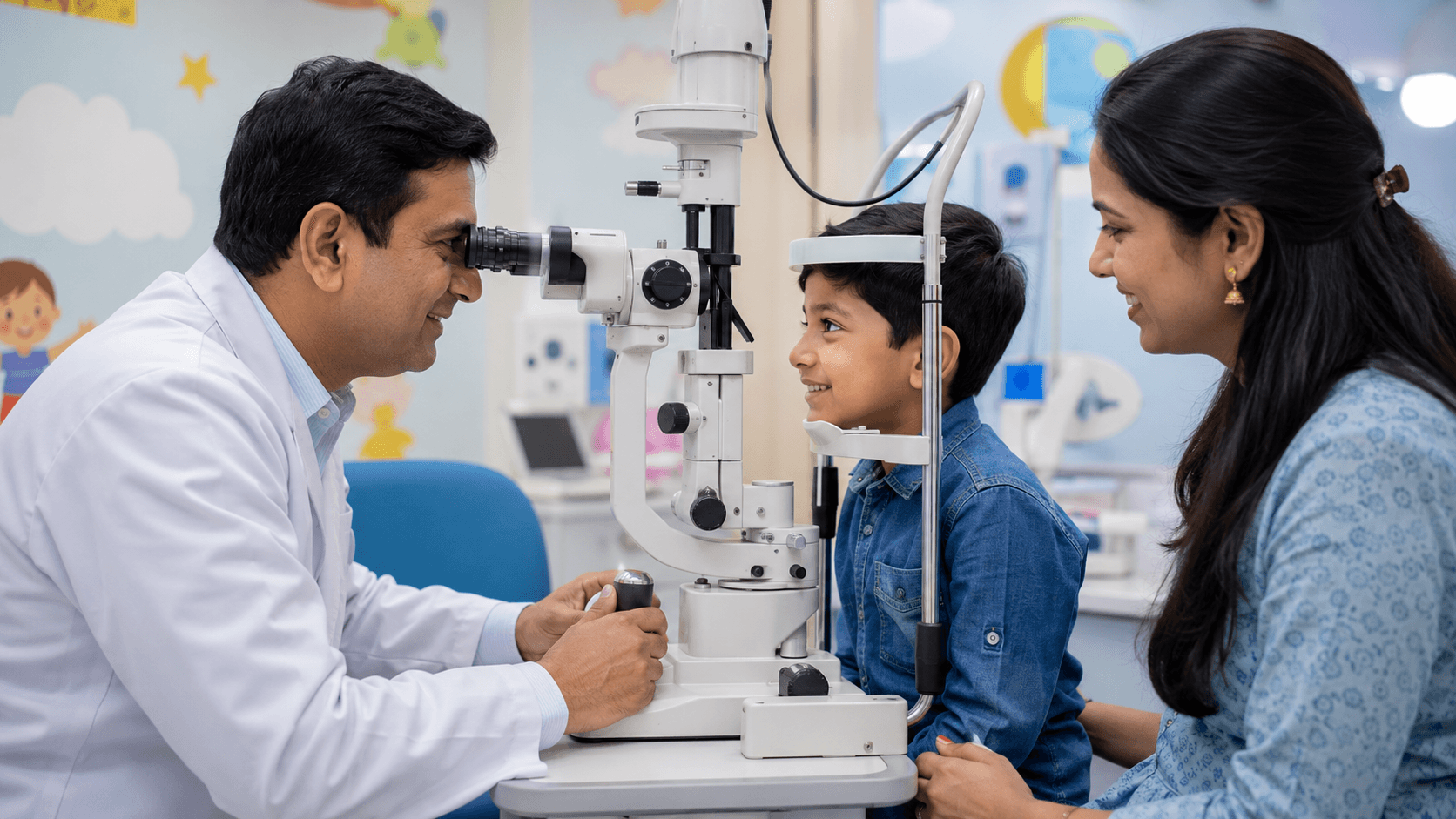
The ability to see and perceive images is crucial to learning and exploring the world. Eyesight supports children throughout their lives, from recognizing faces at an early age to reading books and taking part in various activities at school. However, many Children’s Eye Problems develop gradually and may go unnoticed by parents since children assume that everyone has similar sight.
One of the best prevention methods against eye health problems is early diagnosis. The majority of Children’s Eye Disorders respond well to timely treatment, which helps kids perform better in school and have a better quality of life. Knowing about the potential symptoms and when to visit specialists in children’s eye disorders can help you take good care of your child.
In this article, you will get acquainted with the most common eye problems in children, signs of them, recommendations regarding the frequency of children’s eye tests, and when it is time to visit Akashdeep Netralay for your kid’s eye care.
Why Children’s Eye Health Matters
Vision development goes through several stages starting from birth until adolescence. During this period, eyes and brain form a complex mechanism responsible for clear sight. Anything that interferes with this process can negatively affect both current and future eyesight of your child.
Good eyesight affects numerous factors:
- Learning process and performance at school
- Reading skills
- Coordination of hands and eyes
- Sports activities
- Social interaction
- Confidence
Children do not understand that they have some issues with their eyesight since they have no reference point for comparing the way they see. In this regard, regular eye examinations are an essential element of preventive healthcare for children.
Common Children’s Eye Problems Parents Should Know
Refractive Errors
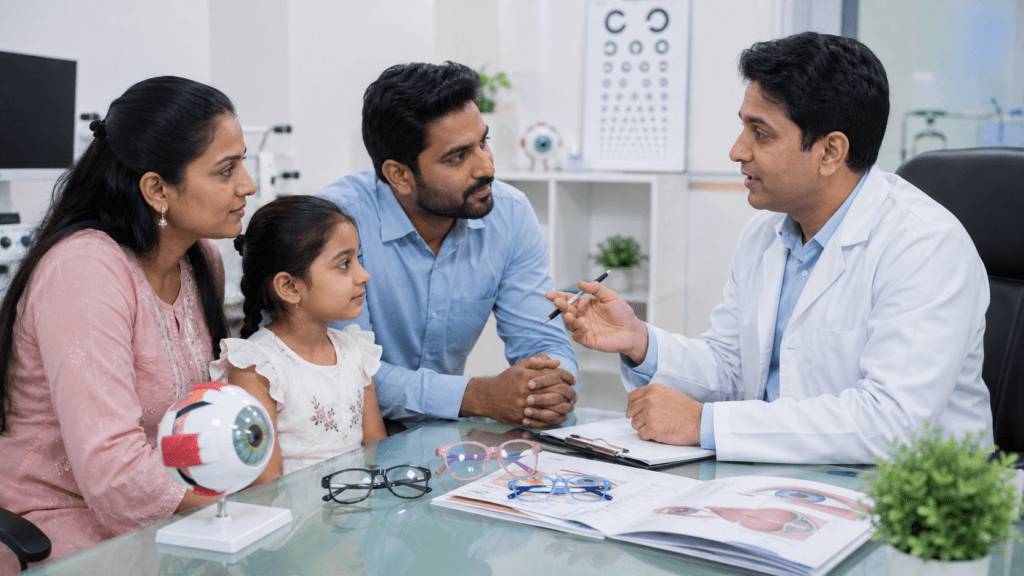
Refractive errors happen when eyes are unable to correctly focus the light, resulting in blurry vision. This is one of the most widespread Children’s Eye Disorders and includes:
- Myopia (short-sightedness)
- Hyperopia (long-sightedness)
- Astigmatism
Fortunately, almost all cases of refractive errors can be treated with prescription glasses after a thorough eye examination of the child.
Myopia
The prevalence of myopia in children has significantly increased around the world. Children with myopia see nearby objects clearly but have problems seeing distant objects.
The main signs include:
- Squinting while trying to see the blackboard in class
- Sitting very close to the TV
- Holding devices in very close proximity
- Complaining about blurred distance vision
Early diagnosis also helps doctors discuss the current myopia management methods, which can potentially prevent the disease progression in your child.
Hyperopia
If there is difficulty in focusing on nearby objects, this is hyperopia. It may not be evident in mild forms of hyperopia, but in severe forms it leads to:
- Eye strain
- Regular headaches
- Trouble reading
- Distracted attention during close work
Children often compensate for hyperopia at first, so regular eye checks are especially necessary.
Astigmatism
Astigmatism occurs when the cornea is not perfectly round and causes blurring and distortion of vision at different distances.
Children may experience:
- Blurred vision
- Headache
- Reading difficulties
- Eye fatigue
- Squinting
Prescription glasses usually help significantly in such cases.
Lazy Eye (Amblyopia)
Lazy eye is also called amblyopia and is caused when one eye fails to develop normally because of the dominance of the strong eye.
The most common causes of this disorder include:
- Sufficient discrepancy between the prescriptions of the two eyes
- Squint
- Congenital cataracts
- Eyelid drooping
The possible signs are:
- Poor vision in one eye
- Poor depth perception
- Misaligned eyes
Treatment of amblyopia is crucial to be done in a timely manner since the visual system develops rapidly during childhood. Depending on the specific reason, treatment can include wearing glasses, patching therapy, eye drops, or other interventions recommended by a pediatric ophthalmologist.
Squint (Crossed Eyes)
Squint, also referred to as strabismus or crossed eyes, is a condition whereby both eyes are not facing in the same direction.
Symptoms include:
- An eye turning inwards
- An eye turning outwards
- Periodic eye misalignment
- Double vision (in older children)
Timely diagnosis is important since a squint can lead to lazy eye.
Eye Allergies
Allergies are common in children because of pollen, dust, or other environmental triggers.
Symptoms include:
- Itchiness
- Redness
- Discharge
- Swollen eyes
- Constant rubbing
Properly managed allergies will reduce any discomfort while also preventing irritation.
Eye Infections
Eye infections can either be bacterial or viral and spread quite quickly in schools or day-care centers.
Common symptoms include:
- Redness
- Discharge
- Swelling
- Irritation
- Tears
Evaluations are done professionally to ensure that the right treatment is administered.
Blocked Tear Duct
Blocked tear ducts are common in infants and will always cause continuous watering or discharge despite having healthy eyes.
They normally get better on their own while sometimes may need a simple procedure if they persist.
Digital Eye Strain
Children these days spend more time on digital screens than was the case in past generations. Spending too much time on digital screens is a risk factor for digital eye strain in children.
Symptoms include:
- Dryness
- Tired eyes
- Headaches
- Blurry vision
- Low rate of blinking
Encourage screen breaks to reduce any discomfort.
Childhood Myopia Progression
There have been increasing instances of childhood myopia. This is attributed to increased screen time, lack of outdoor activities, and genetic predisposition. Eye experts can monitor the progression of childhood myopia and recommend proper management for individual patients.
Warning Signs That Mean Your Child Should See an Eye Specialist
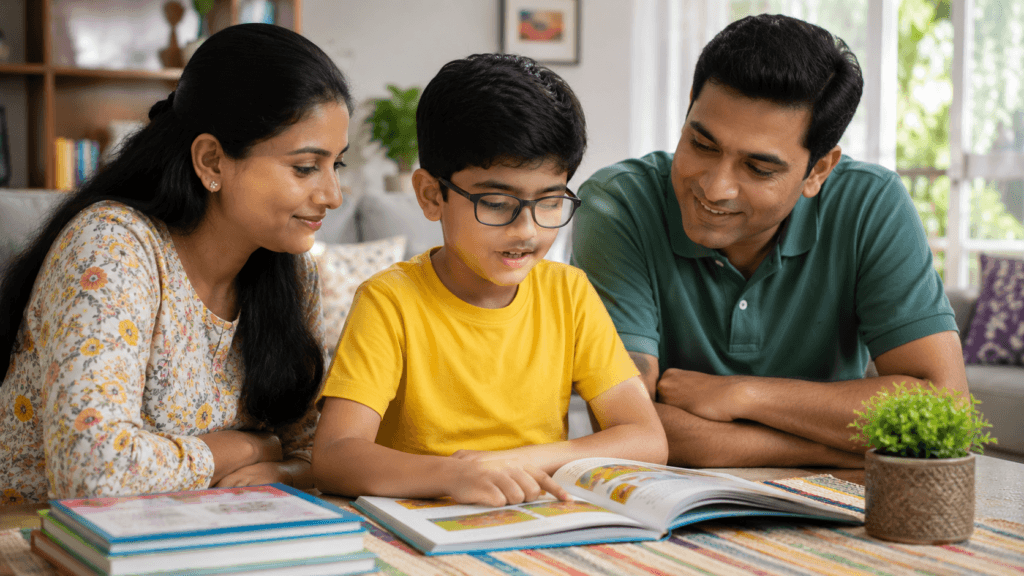
Many children will never mention poor vision as their eyesight seems normal to them. It is important for parents to take note of any behavior that may indicate a problem.
Warning signs include:
- Constant headaches
- Squinting while looking at far-away objects
- Sitting very close to the television
- Holding books too close
- One eye turning inwards or outwards
- Constant watering
- Persistent redness
- Frequently rubbing eyes
- Poor academic performance
- Difficulty reading
- Mentioning of blurry vision
- Tilting head to focus
- Covering one eye to be able to see
- Being sensitive to light
- Presence of a white pupil in pictures
This symptom should be immediately evaluated by professionals.
While these warning signs do not necessarily mean something is wrong, they should never be overlooked. Early evaluation is important in diagnosing any treatable condition before affecting lifelong vision.
At What Age Should Children Have Their Eyes Checked?
It is important for parents to have their children go for an eye checkup even without any symptoms.
An eye checkup schedule for children includes:
- Immediately after birth
- At about 6 months
- At about 3 years
- Before going to school
- Once a year to two years once the child starts schooling
- More frequently if there is any risk of developing eye problems such as those with family history, premature births, developmental challenges, and other eye disorders
Normal eye checkups usually pick up any problem long before teachers or parents realize them.
Why Early Diagnosis Makes a Big Difference
It is easier for children to get treated successfully when a condition is diagnosed early.
Timely diagnosis can:
- Boost academic performance
- Boost self-confidence
- Promote normal vision development
- Prevent lifetime vision loss
- Make treatment easy
- Enhance the general quality of life
Many childhood eye disorders respond well to treatment if diagnosed earlier when vision is still developing. Delaying treatment may decrease its effectiveness in managing squints and lazy eyes.
How Eye Specialists Diagnose Children’s Eye Problems
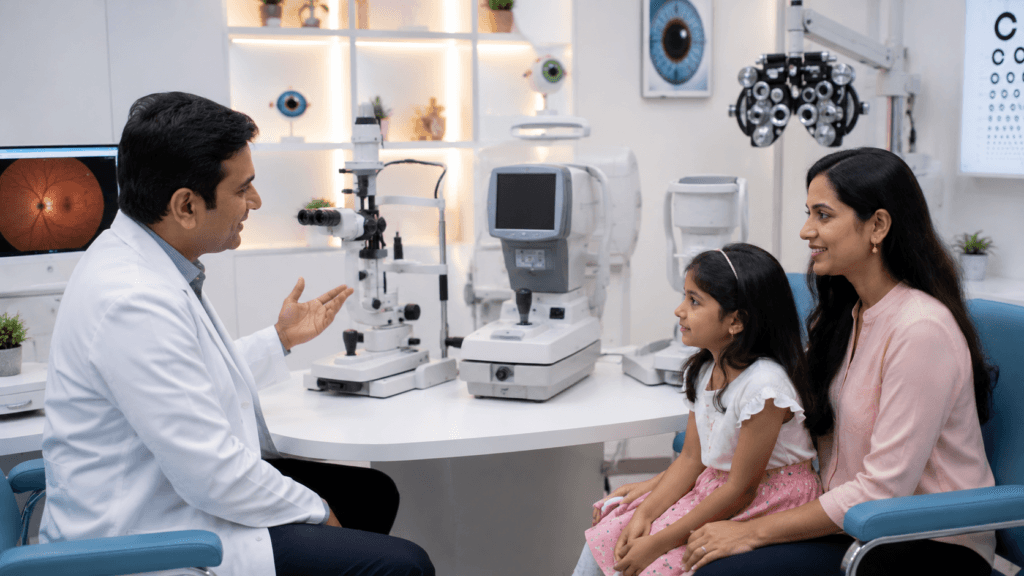
Evaluating eye problems in children does not just involve determining whether they can read letters on the chart. Eye specialists use specific tests to determine how children’s eyes develop, work, and see properly.
Eye examinations at Akashdeep Netralay are done using child-friendly methods, making it easier for them to do a thorough assessment of the eyes.
Vision Testing
Vision testing is done to determine how well children can see at varying distances. The eye specialist will use either picture cards, matching games, or letter cards according to the age of the child.
Eye Alignment Assessment
An eye alignment check determines whether both eyes are well aligned and functioning as they should. Even a small eye turn may show a squint (strabismus).
Refraction Test
A refraction test diagnoses the presence of any refractive errors including:
- Myopia (short-sightedness)
- Hyperopia (long-sightedness)
- Astigmatism
For young children, the specialist uses eye drops to temporarily relax the focusing muscles of the eye. This will allow the specialist to give a precise prescription.
Dilated Eye Examination
Drops are used to widen pupils, allowing the ophthalmologist to examine the inside of the eye, including the retina and the optic nerve. Conditions that can only be seen through this exam are discovered.
Eye Movement Evaluation
The eye specialist determines the smoothness of eye movement and the ability of the eyes to focus on moving objects. These may affect reading skills, coordination, and depth perception.
Colour Vision Testing (When Needed)
Colour vision testing is done if children find it hard to distinguish colours or there is a family history of colour blindness. While many children adapt well, identifying the condition helps teachers and parents provide the right support.
Treatment Options for Children’s Eye Problems
Treatment depends on the child’s age, diagnosis, the severity of the condition, and the stage of visual development. The earlier an eye problem is detected, the greater the chances of successful treatment and better long-term vision.
Prescription Glasses
Many childhood vision problems can be effectively corrected with prescription glasses. They help children see clearly at school, during sports, and in everyday life while supporting healthy visual development.
Eye Exercises
Eye exercises are recommended only for specific eye conditions and should always be performed under the guidance of an eye specialist. They are not suitable for every vision problem but can benefit children with certain focusing or eye coordination issues.
Patching Therapy
Patching therapy is a common treatment for amblyopia (lazy eye). A patch is placed over the stronger eye for a specific period each day to encourage the weaker eye to become stronger.
The success of this treatment depends on following the doctor’s instructions carefully and attending regular follow-up visits.
Eye Drops
Depending on the condition, an eye specialist may prescribe medicated eye drops for:
- Eye infections
- Eye allergies
- Certain amblyopia treatment plans
- Myopia management in selected children
Parents should always use eye drops exactly as prescribed by their child’s eye doctor.
Infection Management
Treatment for eye infections depends on the underlying cause. Viral infections often improve with supportive care, while bacterial infections may require antibiotic medication. Early treatment also helps prevent the infection from spreading to other children or family members.
Allergy Treatment
Managing eye allergies may involve avoiding known allergens, using lubricating eye drops, or taking anti-allergy medication when needed. Prompt treatment helps relieve discomfort and reduces excessive eye rubbing, which can worsen irritation.
Myopia Management
As childhood myopia becomes increasingly common, eye specialists may recommend measures to slow its progression. Based on your child’s individual needs, treatment may include:
- Lifestyle changes
- More outdoor activities
- Special optical treatments
- Medication in carefully selected cases
Regular follow-up appointments allow the specialist to monitor changes in vision and adjust the treatment plan if necessary.
Surgery When Necessary
Some eye conditions, including significant squint, congenital cataracts, or blocked tear ducts that do not improve naturally, may require surgery. When surgery is advised, the pediatric ophthalmologist will explain the procedure, expected results, and recovery process in detail.
Fortunately, not every child requires surgery, and many eye conditions can be successfully managed with non-surgical treatments.
Tips for Protecting Your Child’s Vision
Good eye health starts with healthy daily habits. Although not every eye condition can be prevented, parents can take simple steps to support their child’s vision as they grow.
Encourage Outdoor Play
Studies suggest that spending more time outdoors may help lower the risk of developing or worsening myopia. Encourage your child to enjoy outdoor play whenever possible.
Provide a Balanced Diet
A healthy diet rich in fruits, vegetables, whole grains, dairy products, and protein supports proper eye development. Nutrients such as vitamins A, C, and E, omega-3 fatty acids, and zinc all contribute to maintaining healthy vision.
Limit Screen Time
Too much time spent on digital devices can lead to digital eye strain. Encourage regular screen breaks and reduce unnecessary recreational screen use, especially before bedtime.
Maintain Proper Reading Distance
Children should avoid reading while lying down or holding books too close to their faces. Maintaining good posture and a comfortable reading distance helps reduce eye strain.
Ensure Good Lighting
Adequate lighting while reading, studying, or doing homework makes close work more comfortable and helps reduce visual fatigue.
Promote Hand Hygiene
Teaching children to wash their hands regularly and avoid rubbing their eyes can reduce the risk of eye infections.
Use Protective Eyewear
Protective sports glasses or safety goggles can help prevent eye injuries during sports and other recreational activities.
Schedule Regular Eye Checkups
Routine eye examinations remain one of the best ways to detect vision problems before they begin to affect learning or daily activities. Even if your child appears to have normal vision, regular children’s eye checkups help ensure their eyesight is developing as expected.
When Should Parents Visit an Eye Specialist in Sangli?
Parents should not wait until their child experiences noticeable vision loss before seeking professional advice. Even seemingly minor signs—such as frequent headaches, squinting, difficulty concentrating while reading, or one eye turning inward or outward—should be checked by an eye specialist as early as possible.
Delaying treatment can allow certain eye conditions to progress during the crucial years of visual development. If left untreated, some problems may affect depth perception, school performance, self-confidence, and, in some cases, lead to permanent vision loss.
Choosing the right eye specialist is just as important as seeking treatment early. Children’s eye care requires specialized expertise, child-friendly examination techniques, and a thorough understanding of how vision develops as a child grows.
For families in Sangli, Akashdeep Netralay provides comprehensive pediatric eye care, including routine eye examinations, diagnosis, and treatment of a wide range of childhood eye conditions. Whether your child needs prescription glasses, evaluation for lazy eye, amblyopia treatment, squint management, or ongoing myopia monitoring, the team offers personalized care to support healthy vision at every stage of childhood.
Parents don’t have to wait until symptoms become severe. Scheduling an eye examination whenever you notice a concern—or simply following the recommended eye checkup schedule—can make a lasting difference in your child’s lifelong eye health.
Conclusion
Good vision plays a vital role in every stage of a child’s growth. It supports learning, builds confidence, improves participation in daily activities, and contributes to overall development. Since many Children’s Eye Problems develop gradually without obvious symptoms, routine eye examinations are just as important as regular pediatric health checkups.
Recognizing early warning signs—such as squinting, headaches, blurred vision, eye misalignment, excessive watering, or difficulty reading—allows parents to seek timely medical care before the condition becomes more serious. Early diagnosis often leads to more effective treatment, better visual outcomes, and a lower risk of long-term complications.
Regular children’s eye checkups, healthy daily habits, and prompt attention to any vision concerns give children the best opportunity to enjoy clear, comfortable eyesight as they grow.
If you notice any changes in your child’s vision or would like to schedule a preventive eye examination, the experienced team at Akashdeep Netralay is here to help. Early diagnosis and timely care can protect your child’s vision and support healthy eye development for years to come.
Akashdeep Netralay
Phone: 9 1005 3 1005
Email: support@akashdeepnetralay.com